
Meal Preparation That Works for Dietary Needs
How to plan nutritious meals around mobility limitations, medication schedules, and personal preferences. Practical tips for safe food handling and enjoyable eating routines.

Why Meal Planning Matters for Seniors
Eating well isn't just about nutrition — it's about maintaining independence, enjoying meals, and managing health conditions effectively. When you're working with seniors who've got arthritis, swallowing difficulties, or strict dietary restrictions, meal preparation becomes a skilled activity that requires real planning.
The challenge isn't complicated recipes. It's understanding what someone can actually eat, when they can eat it around medication times, and how to make it both safe and enjoyable. We've found that the best meal routines come from listening to what people prefer, then building practical systems around those preferences.
This guide covers the real techniques we use when preparing meals for seniors with varying dietary needs — from texture modifications to timing considerations to kitchen safety practices.

Starting With Assessment
Before you plan any meals, you need to understand the specific needs and constraints.
Medical Conditions
Diabetes, hypertension, kidney disease, swallowing difficulties — each one changes what and how someone eats. We always ask about prescribed diets first, then check with their doctor if anything seems unclear.
Medication Timing
Some medications work better with food, others need an empty stomach. Some can cause nausea or affect appetite. Knowing this shapes when and what you prepare. It's worth keeping a simple chart showing medication times and meal windows.
Texture & Swallowing
Some seniors can eat regular food fine. Others need soft or minced textures. A few need pureed meals. This isn't about making food look bad — it's about safety and nutrition. Proper texture modifications can actually make food more enjoyable.
Personal Preferences
This matters more than people realize. If someone doesn't like fish, don't serve it three times a week just because it's healthy. Work with their tastes while meeting their dietary needs. That's how meals actually get eaten.
Creating a Weekly Meal Plan That Works
Once you understand someone's needs, planning becomes systematic. We typically work with a 7-day rotating plan — nothing fancy, just reliable.
Here's what works in practice: pick 4-5 breakfast options, 5-6 lunch possibilities, and 5-6 dinners that fit the dietary requirements. Include 2-3 snack options. This gives enough variety that meals don't feel repetitive, but it's manageable to prepare.
We always include one day where the person chooses — maybe Friday dinner or Sunday lunch. Even small choices make meals feel less institutional. It's not a burden to accommodate one special request weekly; it's actually how people eat better because they're more engaged.
The key thing? Write it down. Put the plan somewhere visible. Seniors often remember better when they can see what's coming, and you avoid the daily "what should I make?" decision that drains energy.

Practical Preparation Techniques
The methods that make meals both safe and satisfying.
Texture Modification Without Losing Flavor
Soft doesn't mean bland. Cook foods properly first — roast vegetables until tender, poach chicken until it's moist. Then modify texture. A fork-mashable meal tastes better than something blended into paste. We often cut food into small, manageable pieces rather than pureeing when possible. For actual purees, add cooking liquid, broth, or a bit of oil back in — it improves taste and swallowing safety.
Temperature & Presentation Matter
Hot food tastes better than lukewarm food. If preparing ahead, cool meals quickly and refrigerate, then reheat properly when serving. Presentation affects appetite — even modified foods look better on a nice plate with a bit of color. A soft carrot beside soft chicken on white plate is better than a beige mush pile. These small things genuinely affect whether someone eats well.
Safe Storage & Food Handling
Label everything with dates. Use airtight containers. Follow the 2-hour rule for room temperature foods, and don't keep prepared meals more than 3-4 days in the fridge. If you're batch-prepping for the week, freeze portions properly. Ice crystal formation damages texture, so freeze meals quickly in shallow containers, then transfer to freezer bags once solid. Thaw overnight in the fridge, never at room temperature.
Hydration Through Meals
Seniors often don't drink enough water, but they'll eat moist foods. Soups, stews, and braised dishes deliver both nutrition and fluids. Even soft desserts like yogurt or custard count toward daily intake. We use this deliberately — if someone isn't drinking well, meals become a hydration strategy too.
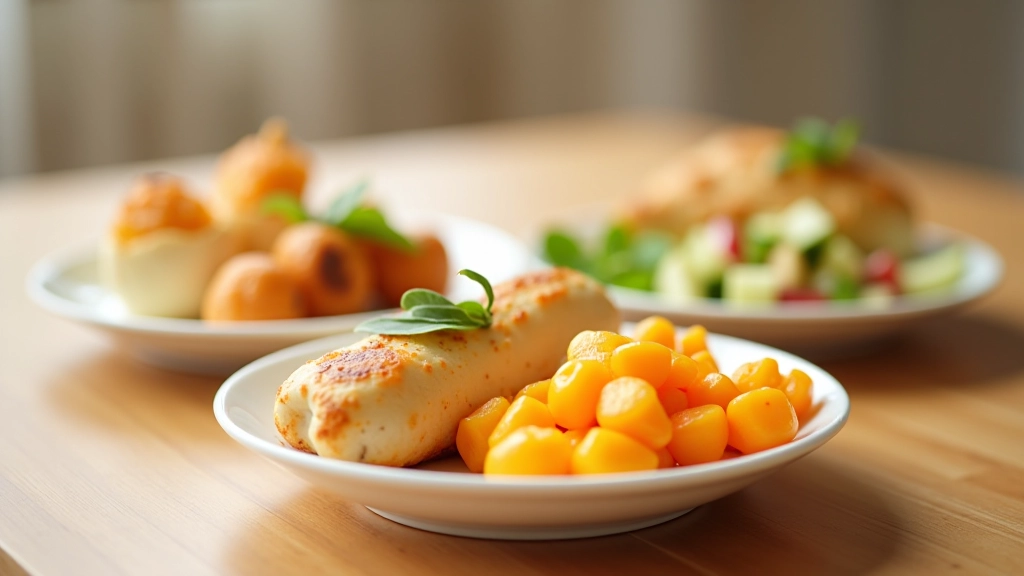
Sample Meal Framework
Let's look at a realistic day. This example works for someone with hypertension and mild swallowing difficulty.
Breakfast (7:30 AM)
Scrambled eggs (soft), whole wheat toast (cut into strips), fresh berries, decaf tea. Low sodium, soft texture, no choking hazards.
Mid-Morning (10:00 AM)
Yogurt with honey, small glass of water. Light snack that works with typical medication schedules.
Lunch (12:30 PM)
Tender braised chicken, mashed sweet potato, steamed broccoli (soft), low-sodium broth. Prepared ahead, reheated gently.
Afternoon (3:00 PM)
Apple sauce or soft fruit, water. Bridges the gap before dinner, maintains blood sugar.
Dinner (6:00 PM)
Baked white fish, tender vegetables in light sauce, soft grain like quinoa or well-cooked rice. Hydrating, nutritious, no salt added.
Kitchen Safety & Equipment
Smart tools and practices make meal prep safer and more efficient.
Quality Sharp Knives
Dull knives cause accidents because they require more force. A good 8-inch chef's knife and a paring knife handle 90% of prep work. Keep them sharp with a honing steel weekly.
Food Processor or Blender
For texture modifications, a food processor gives you control — you can achieve smooth, minced, or chunky textures without overdoing it. Immersion blenders work well for soups.
Instant-Read Thermometer
Food poisoning is serious for seniors. An instant-read thermometer removes guessing — chicken 165°F, fish 145°F, beef 160°F. Takes three seconds to check.
Proper Storage Containers
Clear containers so you can see what's inside. Label with content and date. Glass containers with lids work better than plastic for repeated heating.
Clean, Organized Space
A cluttered kitchen leads to accidents and cross-contamination. Keep frequently used items at eye level, raw foods separate from prepared foods, and always clean surfaces between tasks.
"It's not about making fancy meals. It's about someone actually eating and enjoying what you've prepared. That's the win."
— Experienced caregiver, Prague
Making It Sustainable
The best meal preparation system is one you can actually maintain. Don't overcomplicate it. Start with understanding the person's actual needs, build a simple rotating plan, learn a few basic techniques, and practice them until they're automatic.
You'll notice patterns — which meals work best, which times of day appetite is strongest, which modifications make the biggest difference. Let those observations guide adjustments. After a few weeks, you'll develop real confidence because you're working with reliable systems, not guessing every day.
Good meal preparation isn't a luxury. It's fundamental care. When someone eats well, they have more energy, better health outcomes, and honestly, better quality of life. That's worth getting right.
Disclaimer
This article provides informational guidance on meal preparation for seniors with various dietary needs. It's not a substitute for professional medical advice, nutritional counseling, or care from qualified healthcare providers. Every person's dietary requirements are different based on their medical history, medications, and individual health conditions. Always consult with a doctor or registered dietitian before making significant changes to someone's diet, especially if they have medical conditions like diabetes, kidney disease, or swallowing difficulties. If you're unsure about proper food handling, texture modifications, or nutritional adequacy, seek guidance from healthcare professionals in your area.
Related Articles


